
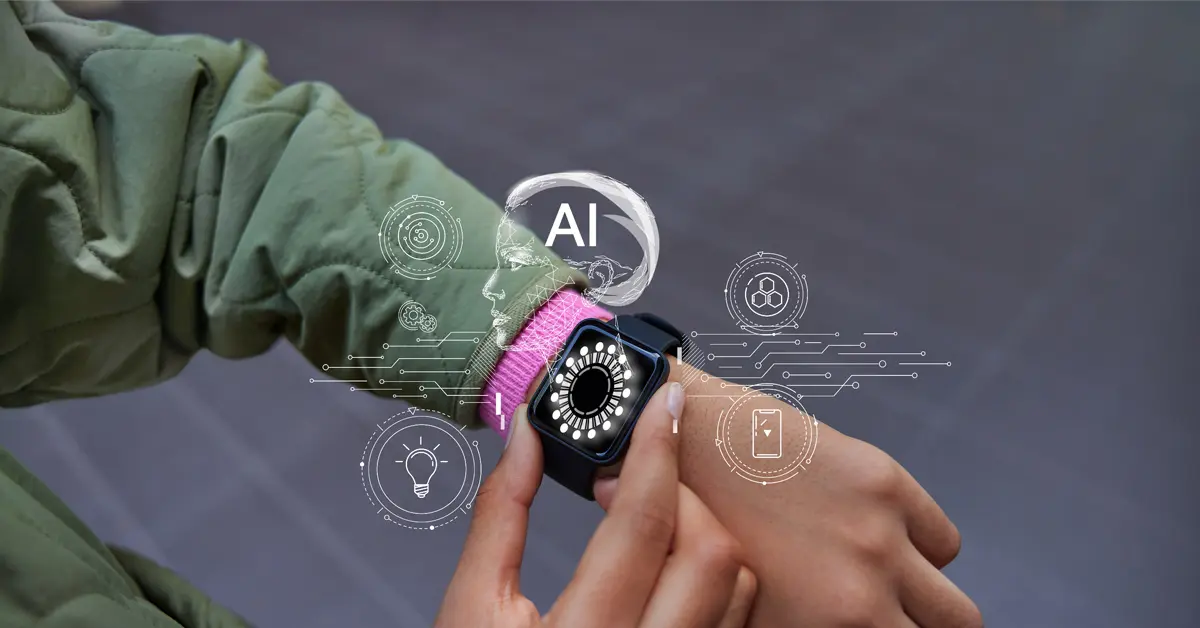

Artificial intelligence in smartwatches translates streams of sensor data into personalized health insights. It analyzes heart rate, activity, sleep, and glucose indicators to guide daily decisions. On-device AI delivers real-time coaching with zero cloud latency, preserving privacy and autonomy. AI-enhanced messages and apps offer proactive, context-aware support, while UX is optimized through edge reasoning. Privacy, security, and battery life remain central, shaping trust and long-term viability as capabilities expand. The potential implications invite closer scrutiny and informed experimentation.
How AI Personalizes Health Insights on Smartwatches
AI personalizes health insights on smartwatches by continuously analyzing sensor data—such as heart rate, activity, sleep, and glucose indicators—to generate individualized patterns and alerts.
The approach supports personalization strategies that translate raw metrics into actionable wearables intelligence, enabling users to pursue freedom through informed choices.
It also informs health trend forecasting, guiding proactive steps and clearer lifestyle pivots for sustainable wellness.
On-Device AI: Real-Time Coaching and Feedback
Real-time coaching and feedback on devices operate at the edge, delivering immediate guidance without cloud latency. On-device AI enables personalized coaching through on device coaching algorithms, interpreting motion, heart rate, and pace in real time. This approach enhances user autonomy, reduces privacy concerns, and supports continuous improvement. Real time feedback aligns goals with actionable, timely adjustments and sustained motivation.
Powering Smarter Interactions: AI in Messages and Apps
As smartwatches move beyond fitness tracking, AI-driven capabilities in messages and apps reshape user interactions by enabling proactive, context-aware assistance.
The focus centers on AI UI design and edge reasoning to deliver streamlined, responsive experiences.
Users gain faster decisions, personalized prompts, and concise summaries, while designers optimize flows, minimize friction, and align interactions with real-time context and individual goals.
Privacy, Security, and Battery Life in AI-Driven Wearables
Privacy, security, and battery life are the three linchpins shaping user trust in AI-driven wearables.
The data-driven assessment shows users favor robust privacy controls, minimal data collection, and transparent on device processing.
Prioritizing battery efficiency preserves performance without compromising protection, enabling freedom to explore features while maintaining control over personal information and device longevity.
Frequently Asked Questions
How Is AI Trained for Smartwatch Health Data?
AI training for smartwatch health data relies on diverse, anonymized datasets, continual validation, and privacy-preserving techniques. Wearable optimization emerges through federated learning, on-device inference, and regular model updates, balancing accuracy with user autonomy and scalable health insights.
Can AI Detect Fraud or Misuse in Wearables?
Yes, AI can detect fraud or misuse in wearables. Fraud detection and misuse analytics enable proactive alerts, anomaly assessments, and user-centric risk signaling, guiding strategic safeguards while preserving user autonomy and data privacy within flexible, freedom-minded ecosystems.
What Future AI Features Are Planned for Watches?
Future AI features for watches include proactive health insights and adaptive interfaces, depicted allegorically as a cautious navigator. Data-driven strategies emphasize future battery optimization and privacy preserving collaboration, empowering users with freedom while maintaining strategic, user-centered performance.
Do Watches Learn From Others’ Data Sharing?
Yes, watches may learn from others’ data sharing, but safeguards vary. They balance privacy concerns with analytics, often aggregating non-identifiable data. Data ownership remains ambiguous, with users seeking transparent controls and consent-driven, user-centered, strategic governance.
How Does AI Handle Firmware Update Risks?
AI governance informs risk controls; update safety mechanisms mitigate bricking, rollback, and provenance concerns during firmware upgrades. The approach balances user freedom with safety, data-driven metrics, and strategic transparency to maintain trust and resilience in wearable AI ecosystems.
Conclusion
Artificial intelligence in smartwatches translates streams of physiological and behavioral data into precise, user-centric guidance. By personalizing health insights, enabling on-device real-time coaching, and powering proactive interactions, these devices become strategic partners for well-being without compromising privacy. Yet, balance remains essential: robust security and efficient energy use must accompany advanced analytics. In this landscape, edge intelligence acts as a compass, guiding users toward healthier habits while data privacy stays the steady North Star.


